
Freedom resonates deeply with people and societies around the world. From the historic struggle for independence to the ongoing battles for civil rights, the notion of being truly free is as relevant today as it was centuries ago. This article will attempt to unravel the defining freedom and examine its multifaceted nature, historical evolution, philosophical interpretations, and practical implications for modern society. I believe that every person can change the world for the better, and this requires knowledge.
Philosophical Interpretations
The quest to understand freedom has been a central theme in philosophy for centuries. Thinkers such as John Locke, Jean-Jacques Rousseau, and Immanuel Kant have profoundly influenced our understanding of freedom. Locke viewed liberty as the natural human right to life, liberty, and property, emphasizing the importance of the social contract to protect these rights. Rousseau, in contrast, viewed freedom as a collective expression of the general will, arguing that true freedom is achieved through participation in a community governed by the collective good. Kant introduced the idea of moral autonomy, suggesting that true freedom lies in acting in accordance with one’s rational will, free from external influences.
In the 20th century, philosopher Isaiah Berlin introduced the concept of “two concepts of freedom” – positive and negative freedom. Negative freedom is the absence of constraints, allowing a person to act without hindrance. On the other hand, positive freedom is the ability to act according to one’s will, often requiring the expansion of opportunities and resources. These meanings of freedom continue to influence contemporary debates about political and personal freedoms in our time.

Dimensions of Freedom
Freedom manifests itself in different dimensions, each of which is important for a holistic understanding of what it means to be truly free. I want to draw your attention to three main dimensions: political, economic and personal freedom, the foundation for every human being, as a full societal participant.
Political rights and civil liberties form the basis of democratic societies. These include the right to vote, freedom of speech, and assembly. Political freedom ensures that people can participate in the governance of their society, hold leaders accountable, and express their opinions without fear of reprisal.
Economic autonomy is critical to personal independence and societal progress. This dimension of freedom includes making financial decisions, realizing economic opportunities, and accessing the resources necessary for a decent life. This type is often measured by indicators such as the ease of starting a business, property rights, and the absence of corruption.
Personal freedom includes choosing one’s lifestyle, beliefs, and attitudes. It includes freedom related to privacy, bodily autonomy, and the pursuit of happiness. Personal freedom is integral to a person’s identity and well-being, enabling them to live authentically and realize their aspirations.
Legal Frameworks
Declarations of Human Rights
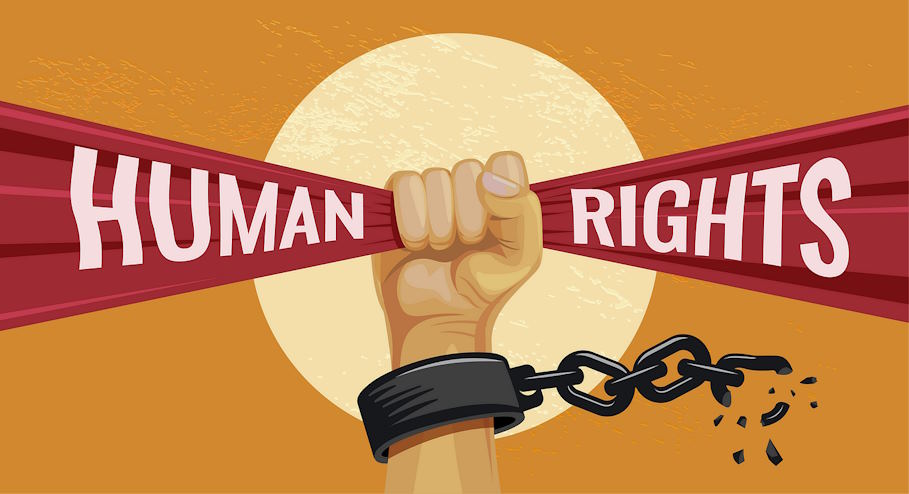
Key documents such as the Universal Declaration of Human Rights (UDHR) set out the fundamental freedoms and rights all human beings are entitled to. Adopted by the United Nations in 1948, the UDHR sets a global standard for human rights, including life, liberty, and security.
Constitutional protection
Constitutions around the world enshrine freedoms, providing a legal framework for protecting individual rights. For example, the First Amendment to the U.S. Constitution protects freedom of speech, religion, and assembly as a cornerstone of democratic government. Similarly, other countries have included protections in their constitutions, reflecting their commitment to the defense of liberty.
Freedom in Practice
Understanding theory is very important, but freedom in practice reveals its true meaning. The two are often at odds, but that is why freedom issues are relevant and controversial while the struggle for rights and freedoms continues worldwide.
Many examples of individuals and groups have fought for and enjoyed their freedom. Nelson Mandela’s struggle against apartheid in South Africa and Malala Yousafzai’s fight for girls’ education in Pakistan are testaments to the resilience of the human spirit in the face of oppression. These stories inspire and remind us of the constant pursuit of freedom.
However, despite successes, freedom is not realized everywhere. Challenges such as censorship, economic inequality, and authoritarian regimes continue to threaten liberty around the world. In 2024, the rise of digital surveillance and data privacy issues pose new challenges to personal freedoms. Addressing these challenges requires vigilance and a collective commitment to protecting and expanding freedom for all.